Sherclod Holmes @wallhackio@cat.family
the clodvestigator
i go by Clodsire, Clodboy and Bumby.
videogame enjoyer. mathematics hobbyist and recovering physicist. software engineer. professional wonk. prophet of The Truth. the walking embodiment of "not diagnosed, but somethings wrong". i like animals that wear cowboy hats.
number of fat cock awards received: 56
header is by @vaporeon_
"i regret ever allowing him here" ~aescling
"oh you're one of those weird movie likers" ~Ti
"the thing you need to understand about @wallhackio is that he is utterly sick in the head. this is partially a compliment. but not entirely" ~aescling
30+
he/him
Joined Nov 2022
c++ complaining
In C++ you can use the address-of operator & to find the address of any lvalue†. However, due to operator overloading this is not necessarily true. So what do you if you overload &?
C++, as usual, has introduced a solution for the problem it created with the standard library function std::addressof. How is this implemented, you may ask? Well, as you have to do is write the following elegant, readable, and simple snippet:
template<typename _Tp>
inline _Tp*
__addressof(_Tp& __r) _GLIBCXX_NOEXCEPT
{
  return reinterpret_cast<_Tp*>
(&const_cast<char&>(reinterpret_cast<const volatile char&>(__r)));
}
† this is actually a lie. function names are considered lvalues. However, if you overload a function, then the program fails to compile if you provide that name to std::addressof because C++ is a poorly designed language that makes no sense.
us pol, violence
just learned about alex pretti
Sherclod Holmes
boosted

 Stlex
Stlex 
I like my men like I like my eggs: one dozen and angry.
Sherclod Holmes
boosted


Ocean's 12 Angry Men
12 Angry Men 2: The Thirteenth Man
Sherclod Holmes
boosted

Sherclod Holmes
boosted

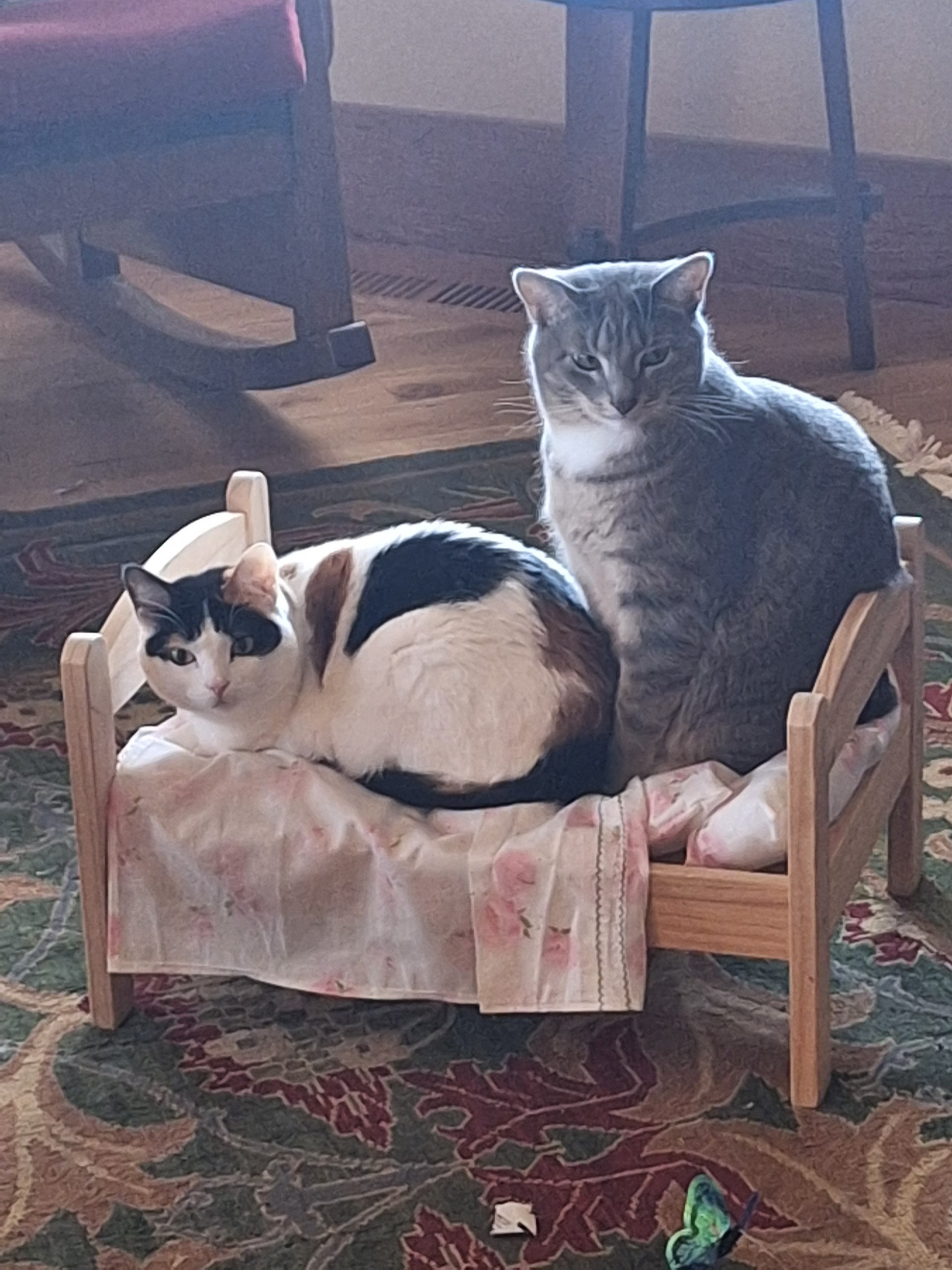
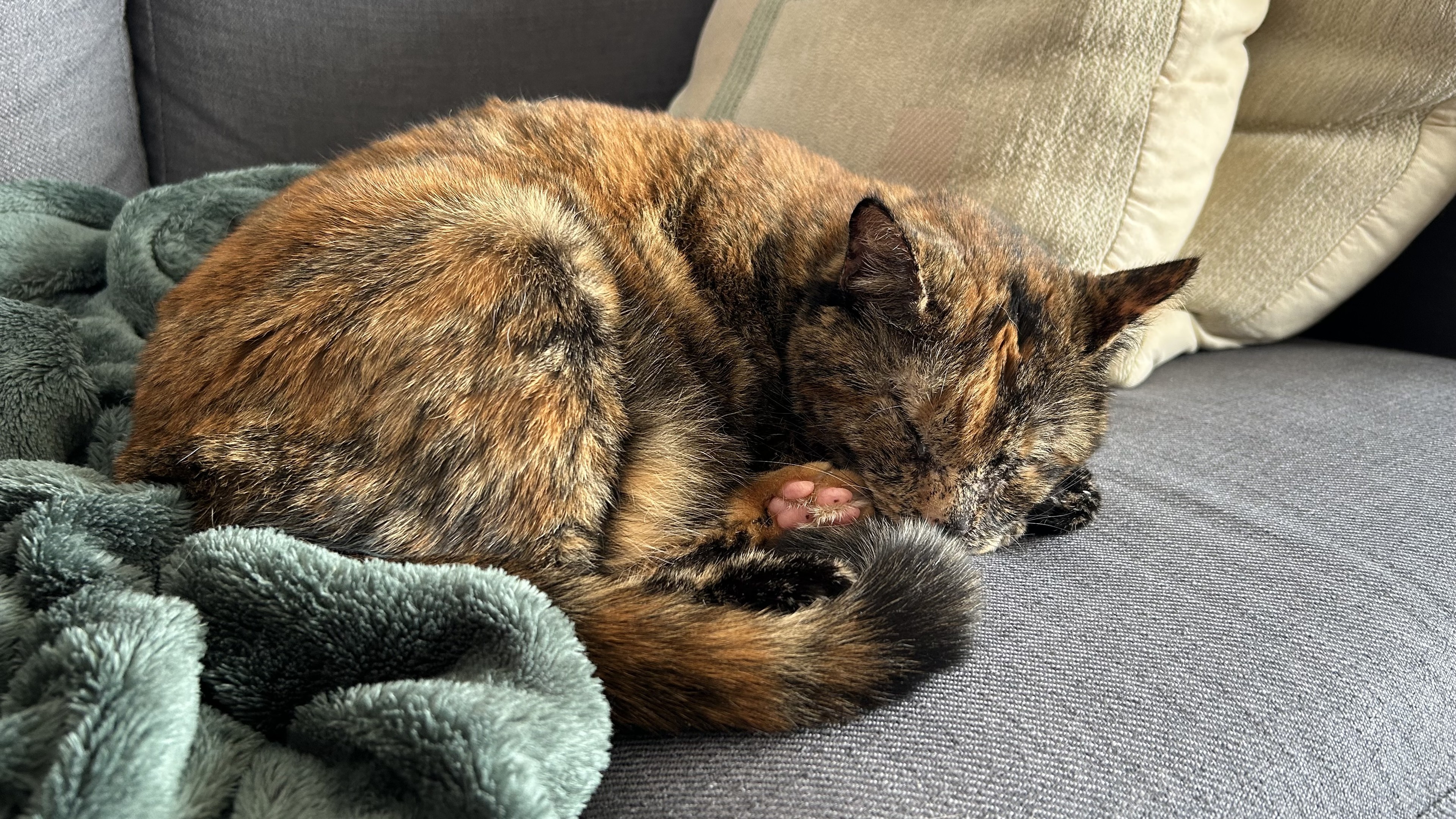
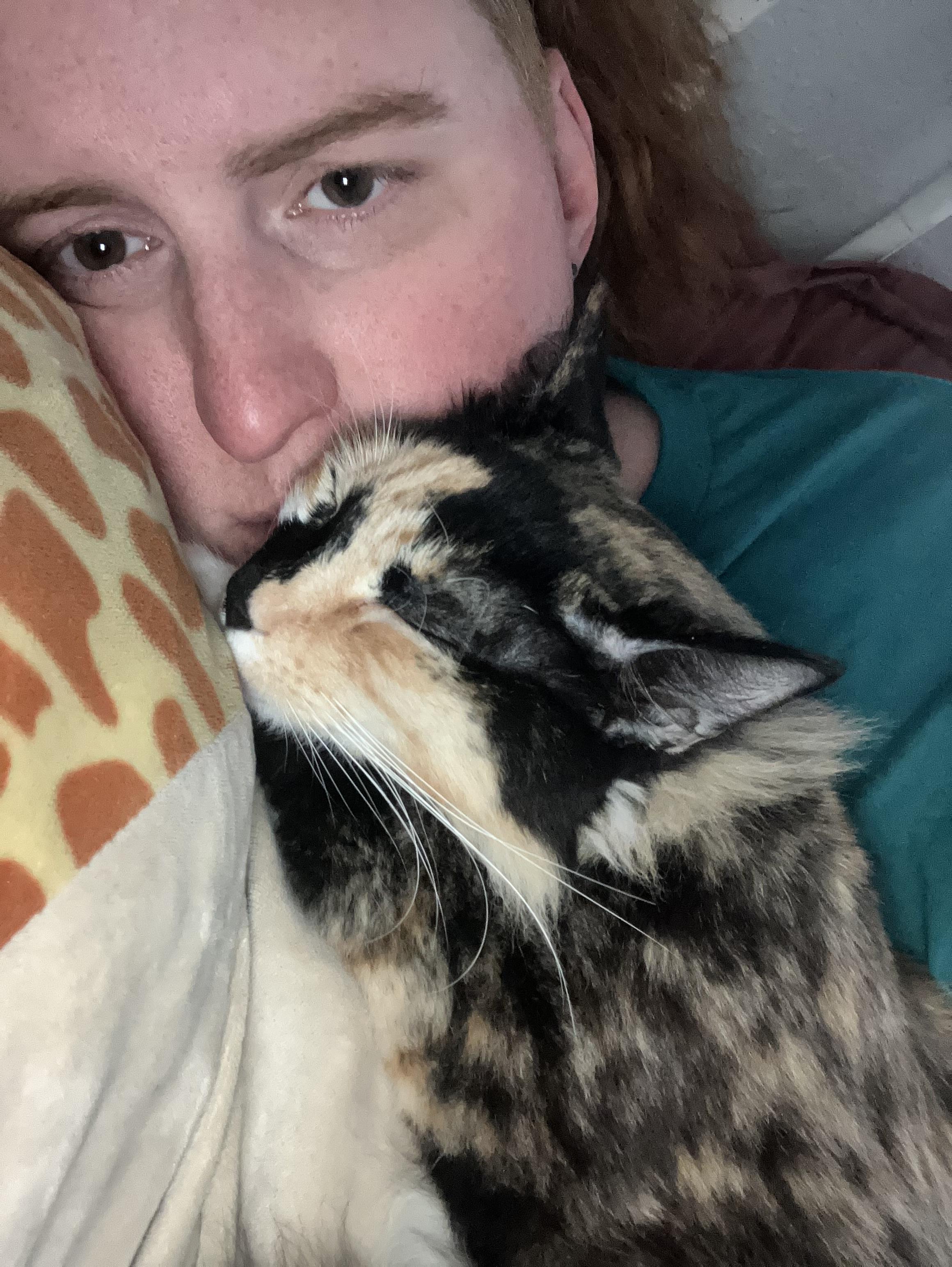
EFDN is still up so i can post these pictures of this cat bed liv made for our cats that they are obsessed with
I am normal and can be trusted to drink a regular amount of barley tea


Sherclod Holmes
boosted

@sidd_harth0_5h4h @sweetmercury he's been making great advances in being baby
Sherclod Holmes
boosted

Sherclod Holmes
boosted

Sherclod Holmes
boosted
Sherclod Holmes
boosted

Sherclod Holmes
boosted





uh oh I've been thinking about determinants again
there is a genre of educational math video on youtube where the lecturer writes math with a marker on a glass windowpane between the camera and the lecturer, and in the editing process they mirror the video so that the handwriting is legible to the audience. i attached a picture for an example
one of the best parts of these videos are the innumerable people comments who are blown away by the lecturer who is writing everything "backwards" with perfect handwriting and it is always very funny to me

what happened to efdn
the clodvestigator
i go by Clodsire, Clodboy and Bumby.
videogame enjoyer. mathematics hobbyist and recovering physicist. software engineer. professional wonk. prophet of The Truth. the walking embodiment of "not diagnosed, but somethings wrong". i like animals that wear cowboy hats.
number of fat cock awards received: 56
header is by @vaporeon_
"i regret ever allowing him here" ~aescling
"oh you're one of those weird movie likers" ~Ti
"the thing you need to understand about @wallhackio is that he is utterly sick in the head. this is partially a compliment. but not entirely" ~aescling
30+
he/him
Joined Nov 2022